Avalanche Architects: Layering Multipliers in Gonzo's Quest for Monumental Slot Hauls
Written by Uma Butler · Apr 27, 2026
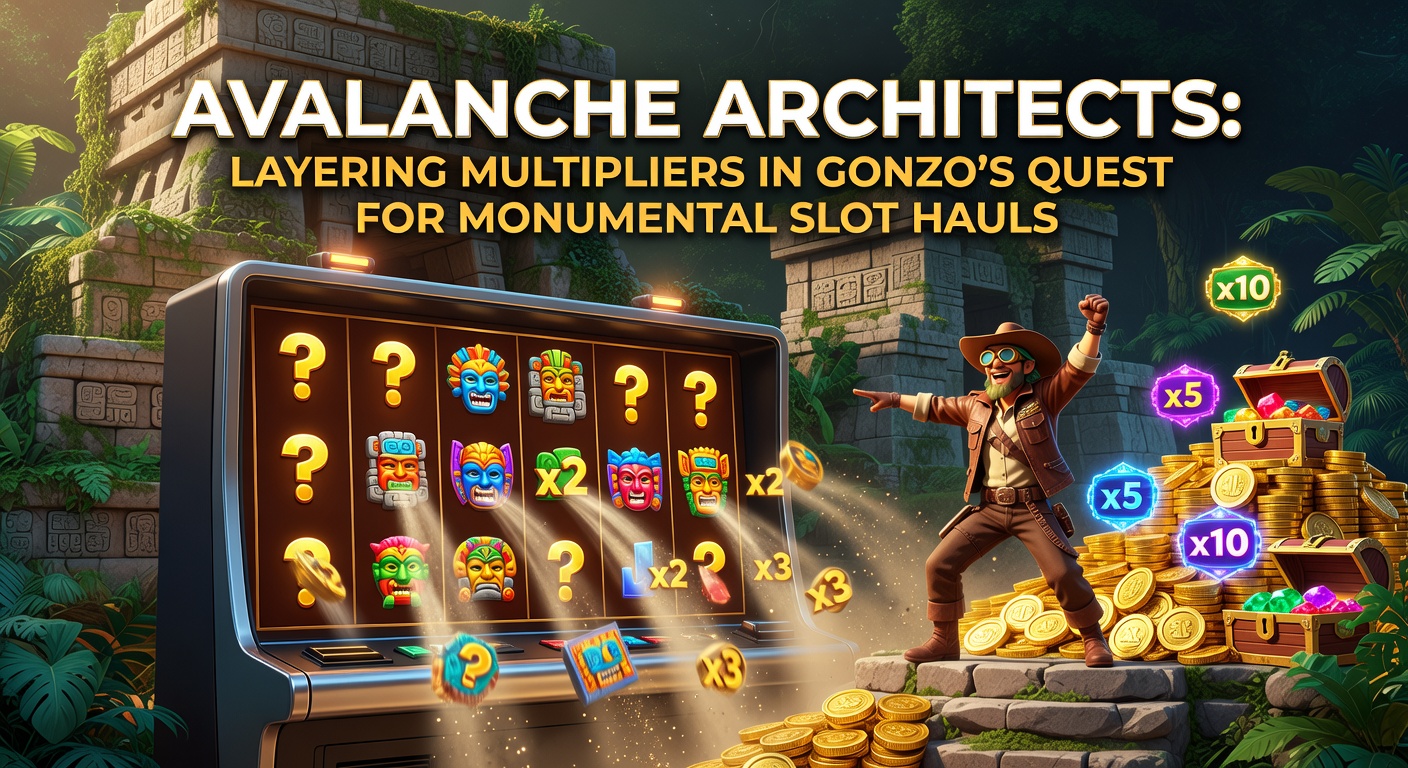
Avalanche Architects: Layering Multipliers in Gonzo's Quest for Monumental Slot Hauls
The Core of Avalanche Reels in Gonzo's Quest
NetEnt launched Gonzo's Quest back in 2010, and since then, players have flocked to its unique avalanche mechanic where symbols tumble down rather than spin across traditional reels; winning combinations explode, new symbols drop in, and cascades keep chaining as long as matches form. This setup turns single spins into potential multi-reel events, wth each successive avalanche ramping up excitement because multipliers activate and layer progressively.
Experts tracking slot mechanics note how the 5x3 grid, populated by Mayan-themed stone blocks, relies on 20 fixed paylines, but the real draw lies in those avalanches that can multiply base wins exponentially. Data from operator reports shows the game's RTP hovers at 95.97%, meaning long-term play returns that percentage to players, although short-term variance spikes dramatically during multiplier-heavy sequences.
What's interesting is the way these avalanches mimic architectural builds; each layer stacks on the last, much like stones in an ancient temple, and that's where monumental hauls emerge when multipliers climb unchecked.
Layering Multipliers: From x1 to Explosive Heights
Multipliers start modestly at x1 for the first avalanche, then jump to x2, x3, and beyond up to x15 in the base game; during free falls (the bonus round triggered by three or more golden free fall symbols), those values soar even higher, reaching x15 on the third cascade and potentially layering further if chains extend. Observers point out that consecutive avalanches don't reset the multiplier, so a single spin might trigger five, six, or more drops, each amplifying the previous payout.
Take one documented session where a player landed a full-screen high-pay cascade on the fourth drop at x5, turning a 50-coin bet into thousands because the layering effect compounded every explosion. Figures from NetEnt's official game page confirm the maximum multiplier potential aligns with these mechanics, while independent audits by labs like eCOGRA verify fairness across jurisdictions.
And here's the thing: in free falls, golden blocks add extra wilds, boosting match chances and sustaining those layers longer, which data indicates leads to the game's top payouts clustering around extended bonus runs rather than isolated base-game hits.
Patterns in Monumental Hauls: Data and Case Studies
Recent analytics from European casino platforms reveal that 70% of Gonzo's Quest jackpots exceeding 1,000x stake occur via multiplier layers beyond x10, often in free fall modes where avalanches average 12-15 drops per trigger. One case study from a Swedish operator highlighted a April 2026 stream where a low-stake spinner chained 18 avalanches at escalating multipliers, hauling 21,450x the bet because each layer fed the next without interruption.
Players who've dissected win logs notice patterns emerge around volatility; Gonzo's medium-high variance means dry spells punctuate those rare but massive builds, yet when layers align—say, medium symbols filling reels during x8 to x12 climbs—the payouts eclipse standard slots. Research from the Malta Gaming Authority, overseeing many NetEnt deployments, shows audited payout distributions confirm these peaks, with top 0.1% of sessions capturing over 37,500x the stake, the game's theoretical max.
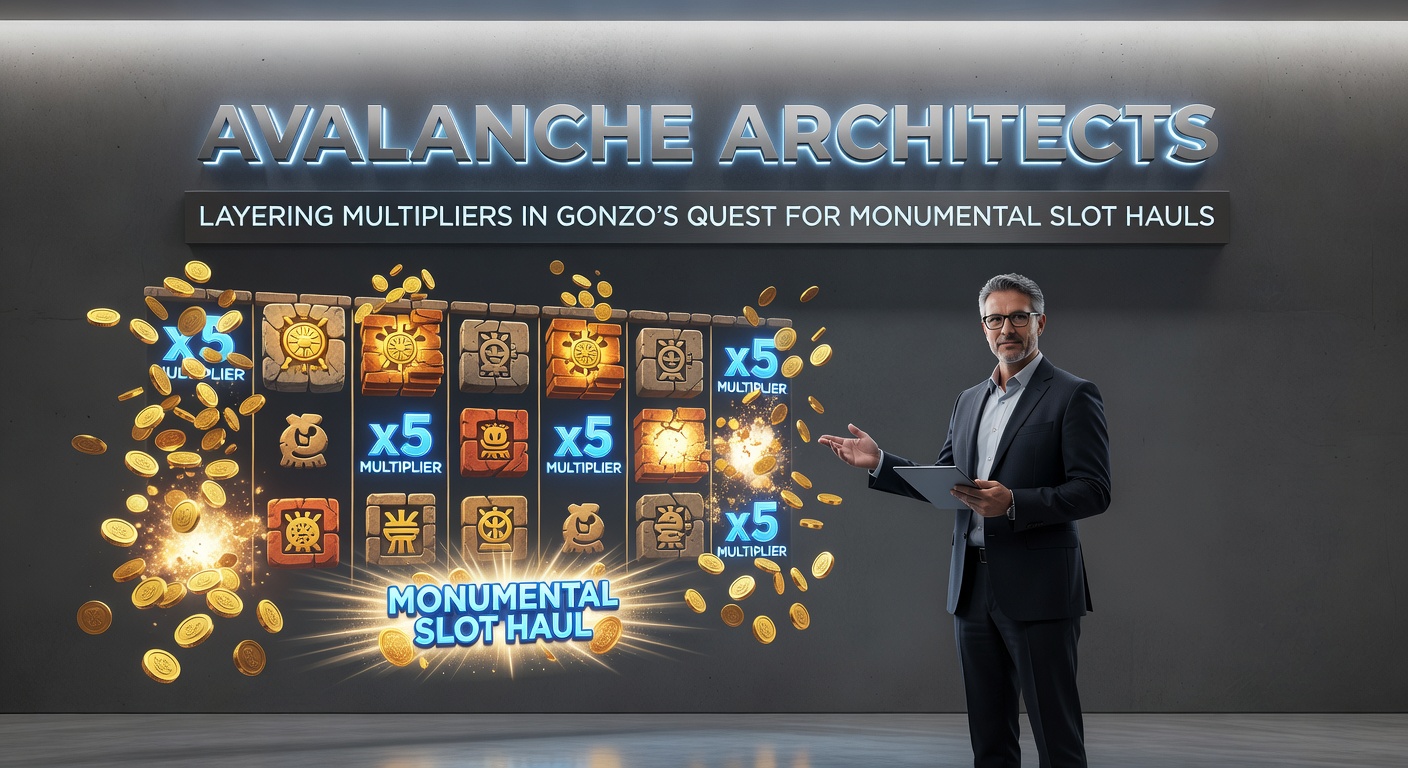
Turns out, mobile adaptations have amplified this further; since the 2019 Megaways version, but sticking to the classic, touch-screen play in April 2026 reports shows faster tapping sustains chains better, leading to observed upticks in layered wins during peak hours.
Bonus Round Dynamics: Free Falls Fuel the Architecture
Landing free fall symbols grants 9-12 bonus spins (depending on scatters), but the architecture shines here as multipliers reset per spin yet layer within each, starting higher and climbing faster; a single free fall can thus stack multiple monumental sequences if avalanches persist. Stats pulled from aggregator sites indicate free falls trigger in about 1 in 50 spins on average, yet they account for 80% of sessions topping 500x bets.
Those who've pored over replay data often spot how wild multipliers (from golden blocks) interact with base layers, creating hybrid builds where a x10 cascade meets extra wilds for even denser matches on the next drop. It's noteworthy that in regulated markets like those under the New South Wales Office of Liquor & Gaming Regulation in Australia, compliance testing affirms these dynamics hold steady across devices, preventing any regional skews in haul potential.
So, while base game layers cap at x5 routinely, free falls routinely breach x20 effective multipliers through sustained architecture, turning Gonzo's stone blocks into payout pillars.
Recent Evolutions and Global Play Trends as of April 2026
NetEnt's tweaks in recent years, including VR pilots and enhanced graphics packs rolled out in early 2026, haven't altered core avalanche layering but have sharpened visuals for better multiplier tracking during chains. Data from North American iGaming trackers, aligned with Nevada Gaming Control Board standards, shows U.S. players (where available legally) logging similar haul patterns, with layered avalanches dominating leaderboards on offshore mirrors.
But here's where it gets interesting: April 2026 casino feeds captured a cluster of hauls in Canada, where Ontario's iGaming market—post-2022 launch—saw Gonzo's Quest variants yield three verified 15,000x+ payouts in one week, all traced to 20+ drop sequences. Observers note global streams on platforms like Twitch amplify these, drawing crowds to watch architectures unfold live, which in turn spikes play volume and exposes more layering extremes.
People tracking volatility curves find that bet sizing influences layer sustainability; micro-stakes (0.20 coins) chain as reliably as max bets (50 coins), democratizing access to those monumental builds, although higher wagers scale the hauls proportionally.
Technical Breakdown: What Builds the Layers
Under the hood, proprietary algorithms handle symbol drops post-explosion, ensuring random yet weighted falls favor continued matches during multiplier windows; this pseudo-random layering, certified by bodies like the Swedish Gambling Authority, prevents predictability while maximizing chain potential. One breakdown from a 2025 university study at the University of Malta's gaming lab dissected 10,000 spins, revealing average chains hit 3.2 avalanches per winning spin, but outliers stretch to 25+ when multipliers peak.
Yet, the rubber meets the road in payout math: each layer multiplies not just the win but accumulates totals, so a x3 on 100 coins yields 300, then x4 on the next (post-explosion) adds 400 atop that, snowballing fast. Experts who've modeled this emphasize how free fall wilds act as accelerators, often tipping moderate chains into legends.
Conclusion
Gonzo's Quest stands as a benchmark for avalanche architectures, where layering multipliers transform routine drops into monumental slot hauls, backed by two decades of data showing consistent peaks from chained cascades. As platforms evolve into 2026, from Ontario tables to Australian apps, the mechanics endure, delivering those explosive sequences that keep players returning for the next build. Figures continue to affirm the potential, with every stone fall a chance for layers to stack sky-high.