Cluster Mechanics and Cascading Features Reshaping Payout Rates Across Contemporary Reel Systems
Written by Jordan Ludwig · Sep 1, 2026
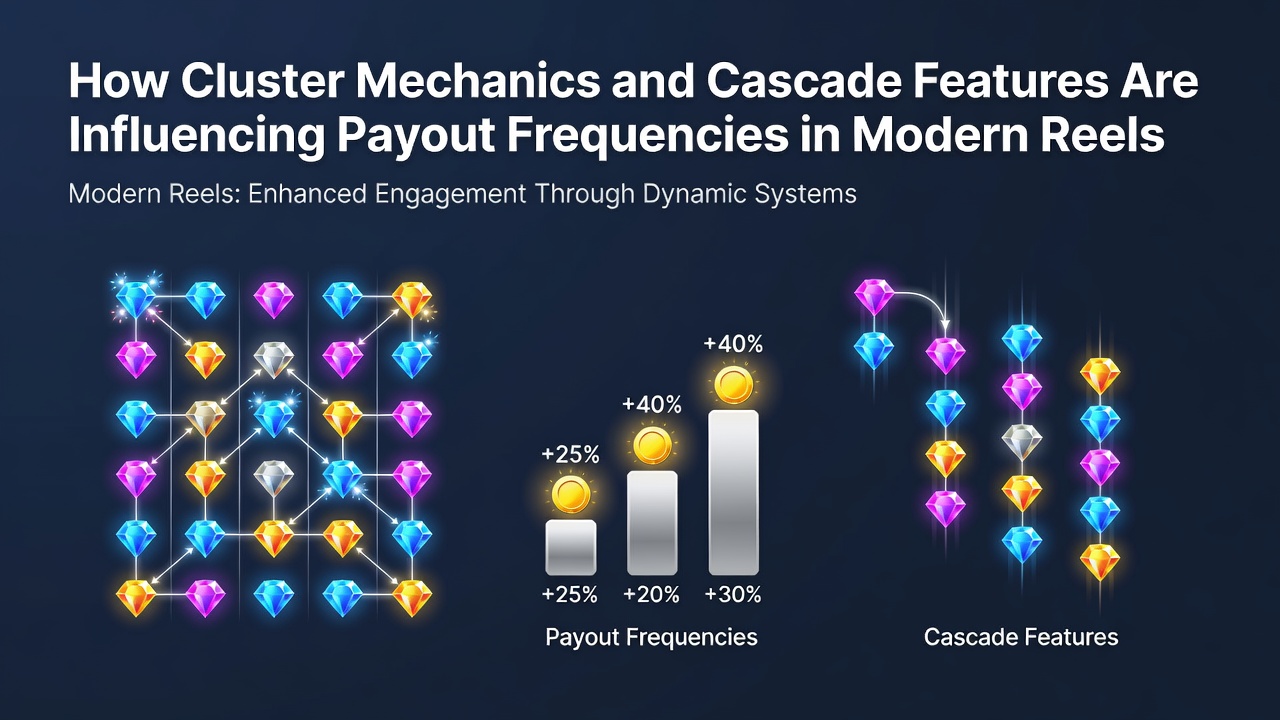
Cluster Mechanics and Cascading Features Reshaping Payout Rates Across Contemporary Reel Systems
Cluster mechanics operate by awarding payouts when matching symbols appear in adjacent groups rather than along fixed paylines, and this structure changes how often wins register during play. Cascade features then remove those matched symbols from the grid, drop new ones into the empty spaces, and create opportunities for successive combinations without an additional wager. Researchers tracking reel behavior note that these combined elements increase the number of payout events per spin because each cascade sequence extends the resolution phase and multiplies evaluation cycles within a single round.
Mechanics Defined Through Grid Evaluation Rules
Traditional reels evaluate symbols along predetermined lines, yet cluster systems scan the entire grid for connected groups of identical symbols that meet minimum size thresholds, often four or more adjacent icons. When a cluster forms, the game registers the payout immediately, clears the symbols, and initiates a drop sequence that fills vacated positions from above or the sides. Observers tracking software logs report that cascade chains commonly produce two to five consecutive evaluations before the grid stabilizes, which directly raises the frequency of recorded payouts compared with static reel outcomes. Data from multiple gaming laboratories indicates that games incorporating both features record payout events at rates 30 to 60 percent higher than equivalent titles using fixed paylines alone.
Frequency Shifts Observed in Live Operation Data
Operators monitoring session metrics across thousands of spins have documented that cascade-enabled titles generate more frequent but smaller individual returns because each chain reaction distributes value across multiple micro-events. Studies compiled by the Nevada Gaming Control Board show that average payout frequency per spin rises when cluster sizes are set between five and eight symbols, while larger clusters above ten symbols reduce overall frequency yet increase variance. The interaction between cluster size and cascade depth creates measurable patterns: shorter cascades tend to produce steady small returns, whereas deeper chains occasionally consolidate into larger cumulative totals within the same spin cycle.
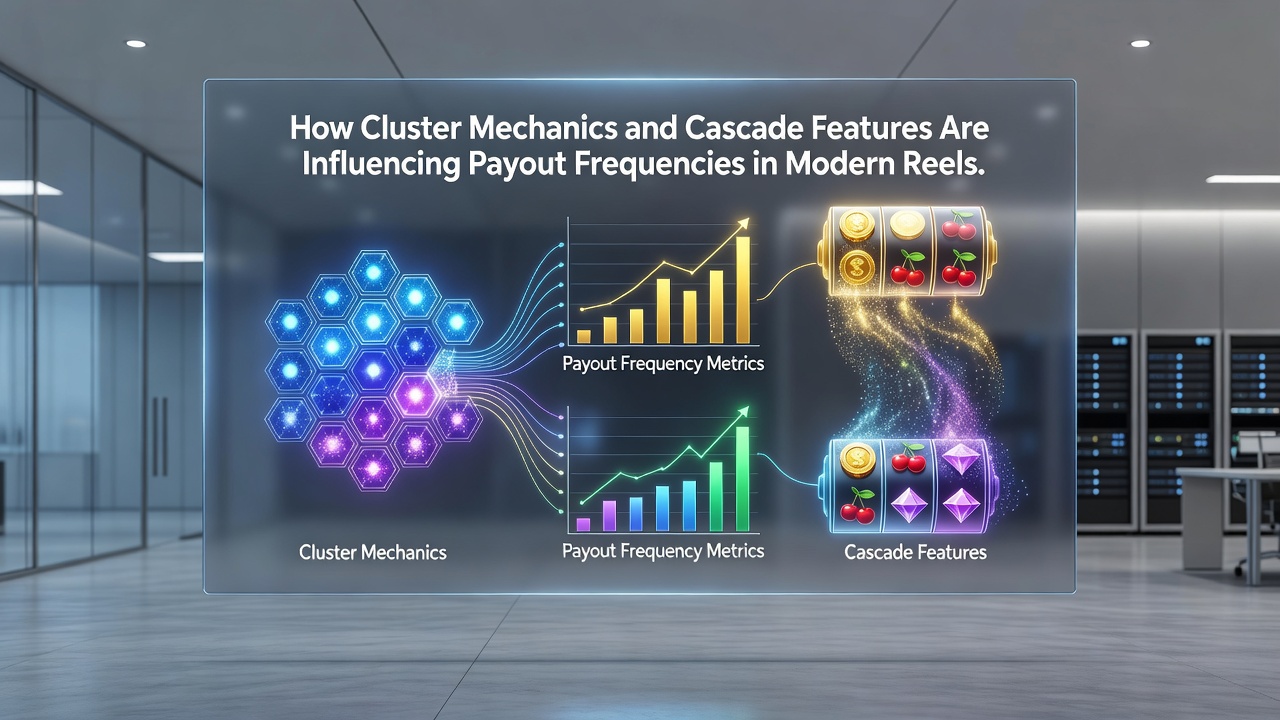
September 2026 regulatory filings from several jurisdictions recorded a noticeable uptick in titles deploying these mechanics, coinciding with updated technical standards that require transparent display of cascade probabilities. Figures released by the Australian Gambling Research Centre reveal that player sessions on cascade-heavy games exhibit payout intervals averaging every 2.8 spins, compared with every 4.1 spins on non-cascade equivalents. These intervals shorten further when games include multiplier ladders that activate on successive cascades, because each multiplier layer adds another payout evaluation layer before the round concludes.
Symbol Density and Grid Size Contributions
Larger grids, typically 6 by 6 or 7 by 7, expand the surface area available for cluster formation and therefore raise the baseline probability of initial matches. Engineers designing these layouts adjust symbol distribution tables so that high-frequency symbols appear at rates that sustain cascade momentum without overwhelming the return-to-player target. Industry reports from the European Gaming and Betting Association note that grids exceeding 49 positions demonstrate payout frequency gains of up to 45 percent when paired with cascade logic, whereas smaller five-reel grids show more modest increases around 18 percent. The density of low-value symbols plays a decisive role because they fill gaps during drops and maintain chain continuity that would otherwise terminate early.
Interaction With Bonus Triggers and Multiplier Systems
Many implementations tie bonus round entry to cluster counts accumulated across cascades, which further elevates payout frequency by converting base-game chains into extended feature sequences. Research papers published by the University of Nevada, Reno gaming technology group document that multiplier values scaling with cascade depth produce compounding payout events that register as separate line items in session logs. This layering effect means a single initiating spin can generate six or more distinct payout records before the feature concludes, altering the statistical profile of the game without changing the underlying random number generator.
Conclusion
Cluster mechanics combined with cascade features systematically increase the number of payout evaluations per spin by converting single matches into extended sequences of symbol removals and replacements. Data collected across multiple regulatory regions and academic studies confirm that payout frequency rises in direct proportion to grid size, cluster thresholds, and multiplier depth. These mechanical interactions continue to shape reel design choices as developers refine symbol distributions to balance frequency against overall return targets.