Connected Player Groups Triggering Bonus Chains in Mobile Casino Environments
Written by Uma Butler · Aug 5, 2026
Connected Player Groups Triggering Bonus Chains in Mobile Casino Environments
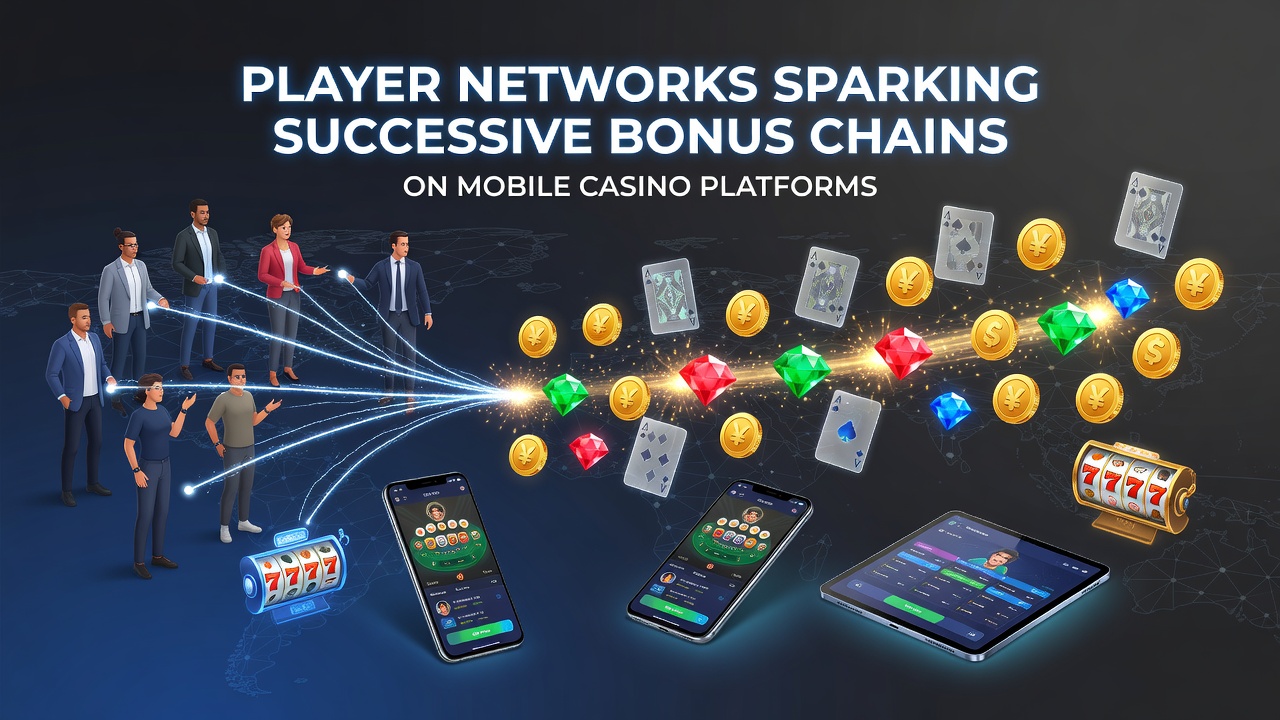
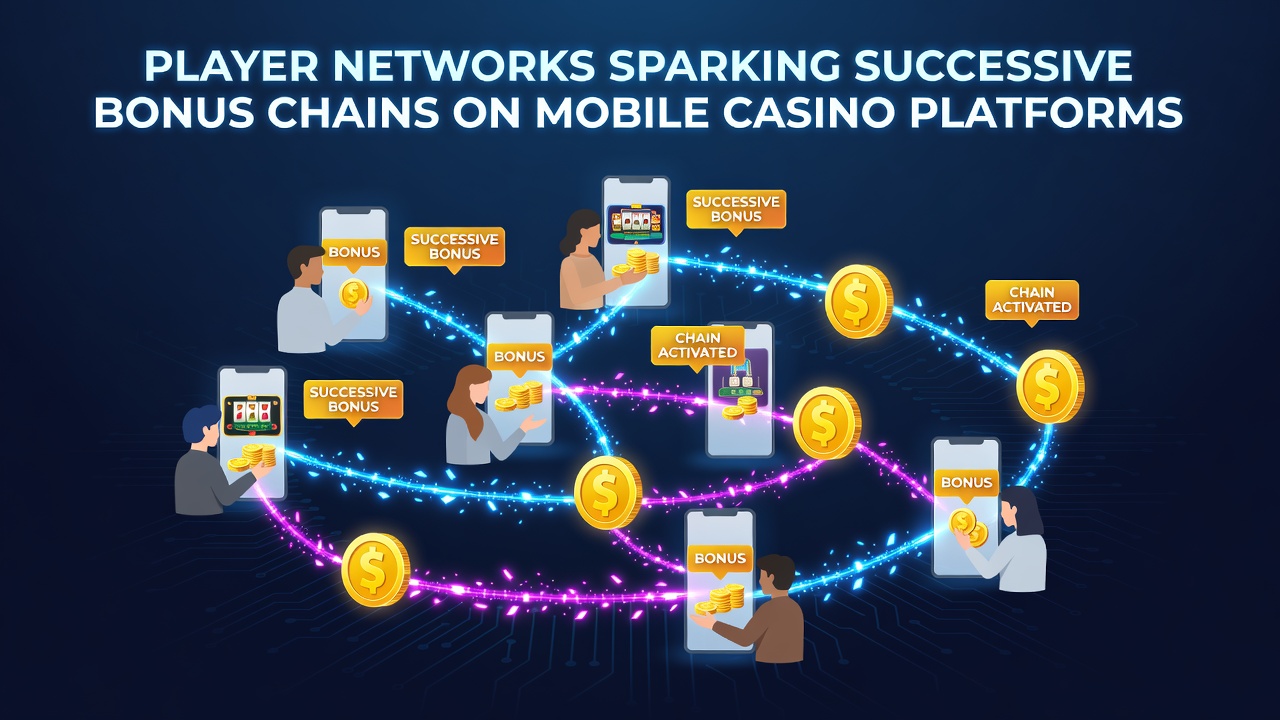
Player networks on mobile casino platforms have begun to influence how successive bonus chains unfold during gameplay sessions, with data from several markets showing increased activity around interconnected user groups. These networks typically form through shared leaderboards, referral systems, and social features that allow players to trigger bonus rounds for one another in sequence. Observers note that when one participant activates a bonus, the system often propagates opportunities to connected accounts, creating chains that extend across multiple users within short timeframes.
Mechanics Behind Network-Driven Bonus Sequences
Developers design mobile platforms with algorithms that detect clusters of active players and distribute bonus triggers accordingly, and this setup means a single spin can initiate a ripple of free rounds or multipliers for others in the same network. Research from industry reports indicates that such mechanics rely on real-time data sharing between accounts, where participation metrics like session length and wager frequency determine eligibility for chain reactions. In August 2026, platforms reported elevated rates of these interactions compared with earlier periods, particularly during peak evening hours when user density rises sharply.
Systems track player connections through friend lists and group challenges, then apply bonus multipliers that scale based on collective activity rather than individual performance alone. This approach encourages sustained engagement because each new activation in the chain refreshes the pool of available rewards for the entire group. Those who study these patterns have observed that networks with higher member counts tend to generate longer sequences, although the exact thresholds vary by platform and game title.
Observed Patterns Across Different Markets
Data compiled by the Alcohol and Gaming Commission of Ontario shows that mobile slots incorporating social networking tools experienced a measurable uptick in chained bonus events during the first half of 2026, with chain lengths averaging between four and seven successive activations per initiated trigger. Similar trends appear in reports from Australian regulators, where platforms noted that group-based features correlated with higher volumes of bonus redemptions spread across linked accounts. These findings emerge from aggregated user statistics rather than isolated case studies, providing a broader view of how networks operate at scale.
Platforms in other regions have adopted comparable structures, and analysts point to shared server architectures that facilitate cross-account bonus propagation without requiring direct player-to-player transfers. One study published by a European gaming research consortium highlighted that networks formed around specific game franchises produced more consistent chain outcomes than those spanning multiple unrelated titles. The report attributes this consistency to tighter integration between game logic and the underlying social layer, which reduces latency in distributing rewards.
Technical Infrastructure Supporting These Interactions
Backend systems use graph-based models to map player relationships and predict potential chain lengths based on historical activation data. When a bonus initiates within a dense cluster of connected accounts, the algorithm evaluates factors such as time since last login and recent wager patterns before extending the sequence. This process occurs automatically and does not involve manual intervention from operators, although platform rules set the maximum depth of any single chain to maintain system stability.
Security protocols monitor for unusual clustering patterns that might indicate coordinated behavior outside intended design parameters, and several providers have implemented additional verification steps for accounts joining large networks. Figures released by Canadian authorities in mid-2026 documented a modest increase in flagged accounts within networked environments, yet overall compliance rates remained stable across monitored platforms.
Examples from Platform Deployments
One deployment on a major mobile title allowed players to invite connections into ongoing bonus rounds, resulting in sequences that extended to secondary and tertiary participants within minutes of the initial trigger. Records from that rollout show average chain durations of approximately twelve minutes when network density exceeded twenty active accounts. Another case involved a leaderboard system where top-performing groups received collective bonus extensions, and data indicated that these extensions often overlapped with individual activations to produce extended play periods.
Researchers tracking these deployments note that chain frequency tends to peak during promotional windows when platforms temporarily increase bonus availability for networked users. Such periods provide clearer datasets for analyzing propagation speeds and reward distribution across connected clusters.
Conclusion
Player networks continue to shape bonus chain dynamics on mobile casino platforms through structured social features and algorithmic distribution methods. Data from multiple regulatory sources and research groups illustrates consistent patterns in how these networks operate, with chain lengths and activation rates tied directly to connectivity metrics and platform design choices. As mobile environments evolve, the integration of network mechanics remains a central element in how successive bonuses unfold across user groups.