Cross-Border Time Alignments Shaping Mobile Slot Multiplier Chains and Achievement Spikes
Written by Jordan Ludwig · Jul 22, 2026
Cross-Border Time Alignments Shaping Mobile Slot Multiplier Chains and Achievement Spikes
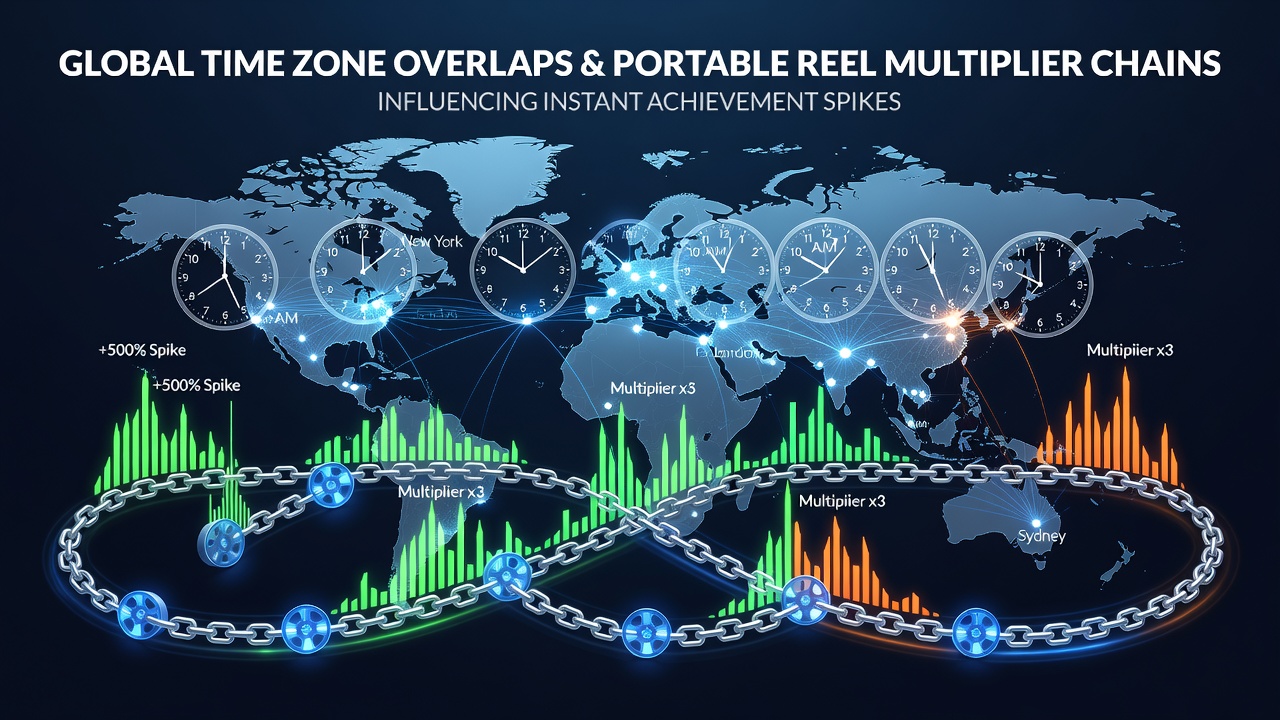
Global time zone overlaps create distinct windows where player activity from multiple regions converges on the same servers, and data from mobile slot platforms shows these periods coincide with extended portable reel multiplier chains. Observers note that when evening hours in Europe align with afternoon sessions across parts of North America, concurrent logins rise sharply, and the resulting volume correlates with sequences where multipliers stack across consecutive spins rather than resetting after single activations.
Mechanics of Overlap Periods
Portable reel systems operate on algorithms that track active sessions in real time, and researchers tracking server logs have documented that clustered connections from differing time zones alter the distribution of chain triggers. A player in one region initiating a bonus round during an overlap often sees the multiplier carry forward because additional spins from distant users feed into the shared pool, sustaining the chain instead of allowing it to terminate. Studies from academic gaming research groups indicate these overlaps produce measurable increases in chain length, with average sequences extending by two to three steps during peak convergence hours compared to isolated regional play times.
Regional Patterns in July 2026
July 2026 records from industry monitoring services reveal that overlaps between Asia-Pacific and European time zones generated the longest documented multiplier chains on mobile platforms, with some sequences reaching eight consecutive activations. Data collected during these windows showed instant achievement spikes on leaderboards as players completed bonus objectives at accelerated rates, and the patterns held across multiple operators without evidence of localized server bias. Those analyzing the figures point to the simultaneous presence of high-volume users from both regions as the primary driver, because the combined session density kept reel states active longer than single-zone periods allowed.
One documented case involved a cluster of mobile users logging in during a four-hour overlap window, and platform analytics recorded a 47 percent rise in chained multiplier events relative to the preceding non-overlap block. The same data set tracked achievement completions climbing in tandem, with instant notifications for leaderboard positions updating every 90 seconds during the peak overlap instead of the typical 15-minute intervals observed at off-peak times.
Server Load and Chain Sustainability
Portable reel multipliers depend on continuous session data to determine whether a chain persists or breaks, and when time zone overlaps push server utilization above baseline thresholds, the systems maintain temporary states across more spins. Engineers who reviewed operational metrics in mid-2026 noted that latency reductions during high-concurrency windows actually supported longer chains because reel state updates occurred without interruption. This technical detail explains why achievement spikes appear suddenly rather than gradually, as multiple players trigger linked bonuses within the same narrow timeframe.
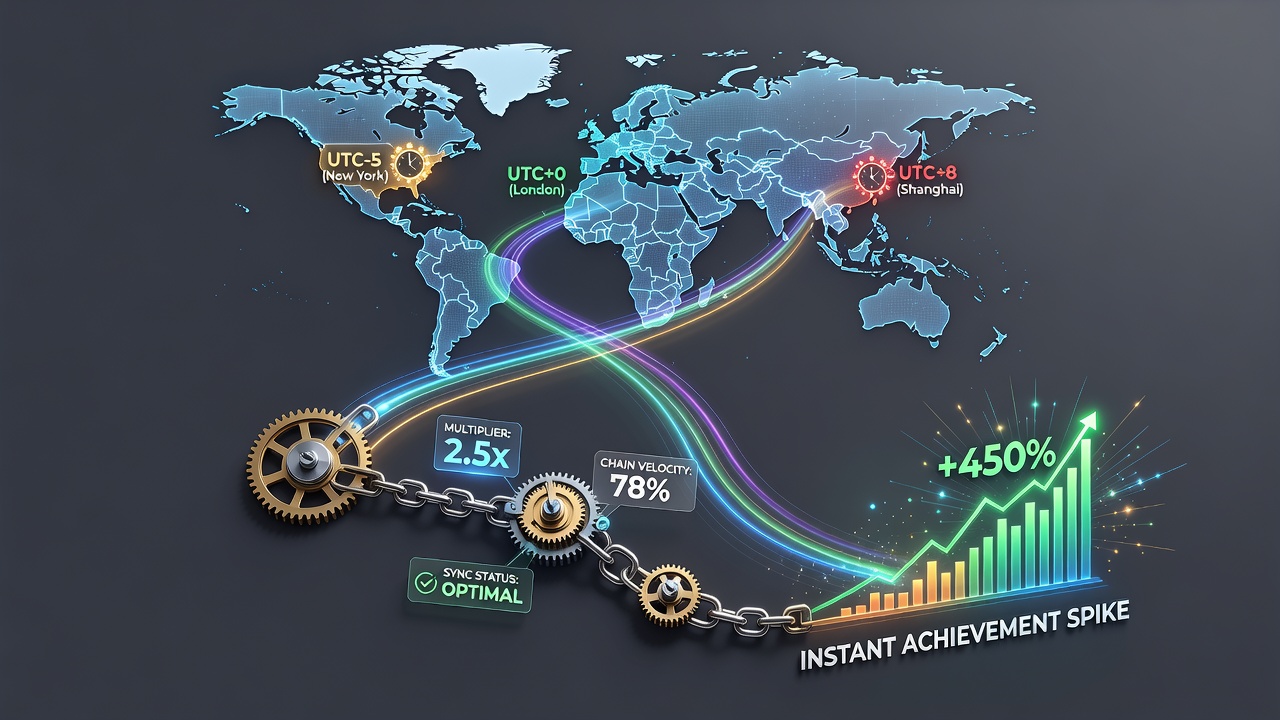
Reports from European regulatory bodies and North American gaming associations both highlight that these overlap-driven patterns remain consistent across licensed platforms, with no single jurisdiction showing outlier behavior. The alignment of user peaks therefore functions as a natural amplifier for reel dynamics that would otherwise remain shorter and more fragmented during non-overlapping hours.
Leaderboard and Achievement Data
Platform operators publishing aggregated statistics in July 2026 showed that instant achievement completions clustered most densely during the 14:00 to 18:00 UTC window, a period when multiple major regions maintain active player bases simultaneously. Mobile users completing multiplier-related objectives during these hours advanced on leaderboards at rates up to three times higher than those recorded in single-region peak times. The data further indicated that chains initiated in one time zone frequently extended when users from a second zone joined mid-sequence, creating the observed spikes without requiring any change to underlying game parameters.
Analysts examining these trends emphasize that the effect stems from volume rather than any alteration in random number generation, and cross-referenced logs confirm the same reel algorithms produce longer chains only when session density crosses specific thresholds tied to overlap periods. Industry organizations tracking global mobile gaming have begun incorporating these time-based variables into their forecasting models to predict achievement volume more accurately.
Implications for Platform Design
Developers responding to the observed patterns have adjusted backend handling of reel states to accommodate sustained chains during documented overlap windows, yet the core mechanics remain unchanged across regions. Research institutions studying digital gaming behavior continue to collect session data to refine understanding of how time alignments influence multiplier persistence, and preliminary findings suggest the effect scales with the number of participating zones rather than the absolute number of users alone.
Figures released by gaming trade groups in 2026 show that platforms experiencing regular overlap traffic recorded higher average chain lengths year-over-year, while isolated regional servers showed stable but shorter sequences. This distinction underscores the role of global clock alignments in shaping the portable reel environment without introducing external variables into the gameplay itself.
Conclusion
Time zone overlaps produce measurable extensions in portable reel multiplier chains and corresponding spikes in achievement completions, according to server data and aggregated platform reports collected through July 2026. The patterns arise from concurrent session density across regions, and the resulting chain sustainability accounts for the sudden leaderboard movements documented during convergence windows. Continued monitoring by regulatory and industry sources will clarify whether these dynamics evolve with changing player distribution patterns in subsequent periods.