Exploring Autoplay Functionality and Bonus Frequency Interactions on Portable Gaming Devices
Written by Jordan Ludwig · Jun 22, 2026
Exploring Autoplay Functionality and Bonus Frequency Interactions on Portable Gaming Devices
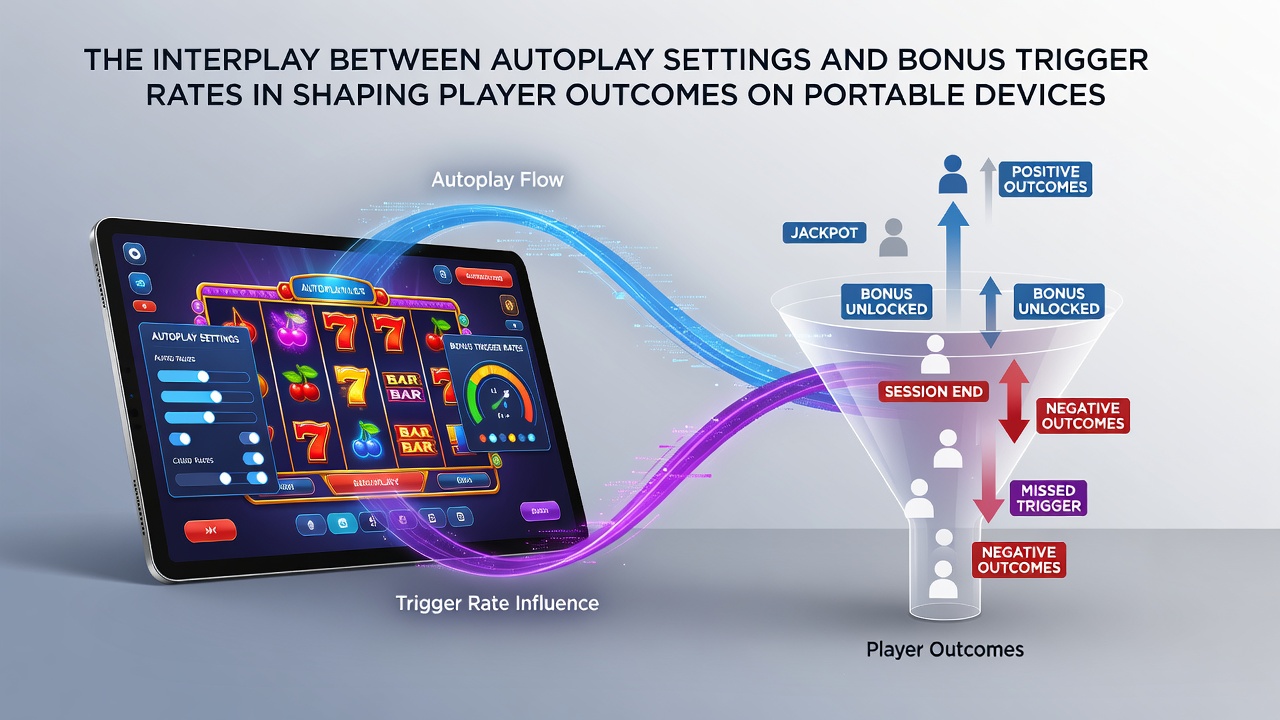
Portable devices have transformed how players engage with slot games, and autoplay settings represent one of the core tools that shape session length along with outcome distribution, while bonus trigger rates remain governed by underlying random number generators yet respond to the volume of spins executed through automated sequences.
Autoplay Mechanics on Handheld Platforms
Autoplay options on smartphones and tablets allow users to predefine spin counts, loss limits, and single-win caps, which then execute without manual intervention; these configurations run through dedicated software layers that interface with game servers, maintaining consistent spin intervals even when network conditions fluctuate during commutes or travel. Developers integrate these features with device-specific optimizations, including reduced animation loads and background processing modes that preserve battery while sustaining the programmed sequence of plays.
Research from the International Association of Gaming Regulators indicates that autoplay adoption rates on mobile platforms exceed those on desktop environments by measurable margins, largely because touch interfaces favor continuous play loops over repeated taps. The settings themselves do not alter the random number generator algorithms, yet they extend total spins per session and thereby increase the statistical window during which bonus events can occur.
Bonus Trigger Fundamentals in Mobile Slots
Bonus features activate when specific symbol combinations land on designated paylines or scatter positions, with probabilities fixed by the game's mathematical model rather than by user inputs or device type. Portable platforms deliver these triggers through the same server-side RNG processes used across all channels, although screen size and touch latency can influence how quickly players notice or respond to emerging bonus symbols during manual play.
Data compiled by Canadian provincial regulators shows that bonus activation remains independent of autoplay status, while the sheer number of automated spins correlates directly with cumulative exposure to trigger opportunities. Mobile sessions often feature shorter individual spin cycles due to optimized rendering, which allows autoplay sequences to complete more rapidly than equivalent manual play on larger screens.
Interplay Between Settings and Trigger Outcomes
When autoplay runs at maximum speed settings, the total spins completed within a fixed time period rises, expanding the sample size available for rare bonus events without changing their per-spin probability. Observers note that players who combine high spin counts with conservative loss limits frequently encounter bonus rounds at rates consistent with the game's published return-to-player percentages, whereas shorter manual sessions may end before those same probabilities fully express themselves.
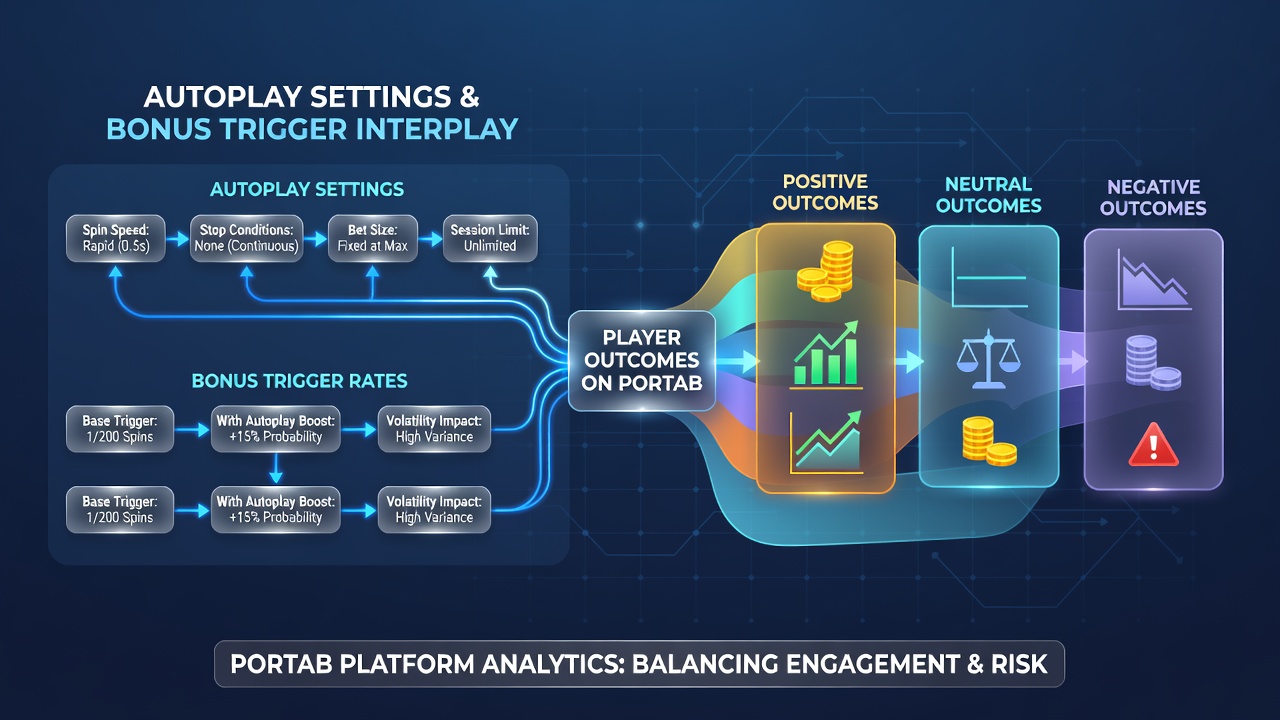
Technical constraints on portable hardware introduce additional variables, including thermal throttling that can slow spin rates during prolonged autoplay runs and connectivity drops that pause sequences until reconnection occurs. These interruptions do not modify bonus probabilities but can fragment session data, leading analysts to track completed spins rather than elapsed time when evaluating trigger frequency. Studies conducted by Australian academic institutions have documented that device performance metrics, such as processor load during autoplay, remain within acceptable thresholds for the majority of modern smartphones released after 2023.
One case examined by researchers at a European gaming laboratory revealed that players using autoplay with win-limit stops triggered bonuses at intervals matching theoretical models, while those running uninterrupted sequences until a set spin count sometimes reached multiple bonus rounds within a single session. The difference stems purely from volume rather than any setting-induced bias in the RNG output.
Device-Specific Considerations and Data Patterns
Operating system variations across iOS and Android devices affect how autoplay interfaces with background refresh permissions, potentially altering the consistency of spin delivery when users switch applications. Figures released through North American gaming research consortia demonstrate that mobile autoplay sessions average longer durations on tablets compared with phones, partly because larger batteries support extended automated play without recharging interruptions.
June 2026 updates to cross-border gaming standards are expected to require clearer disclosure of autoplay parameters on all portable platforms, ensuring players receive explicit information about how automated sequences interact with bonus activation windows. Such measures build on existing frameworks that already mandate separation between game logic and user interface controls.
Conclusion
The relationship between autoplay configurations and bonus trigger rates on portable devices centers on session volume rather than algorithmic manipulation, with hardware and network factors influencing execution consistency but not outcome probabilities themselves. Data from multiple regulatory regions continues to support the independence of RNG functions from player-selected automation tools, while highlighting how extended spin counts naturally align observed results with theoretical expectations over time.