Sequential Reward Chains Transforming Achievement Tracking in Handheld Gaming Platforms
Written by Uma Butler · Sep 15, 2026
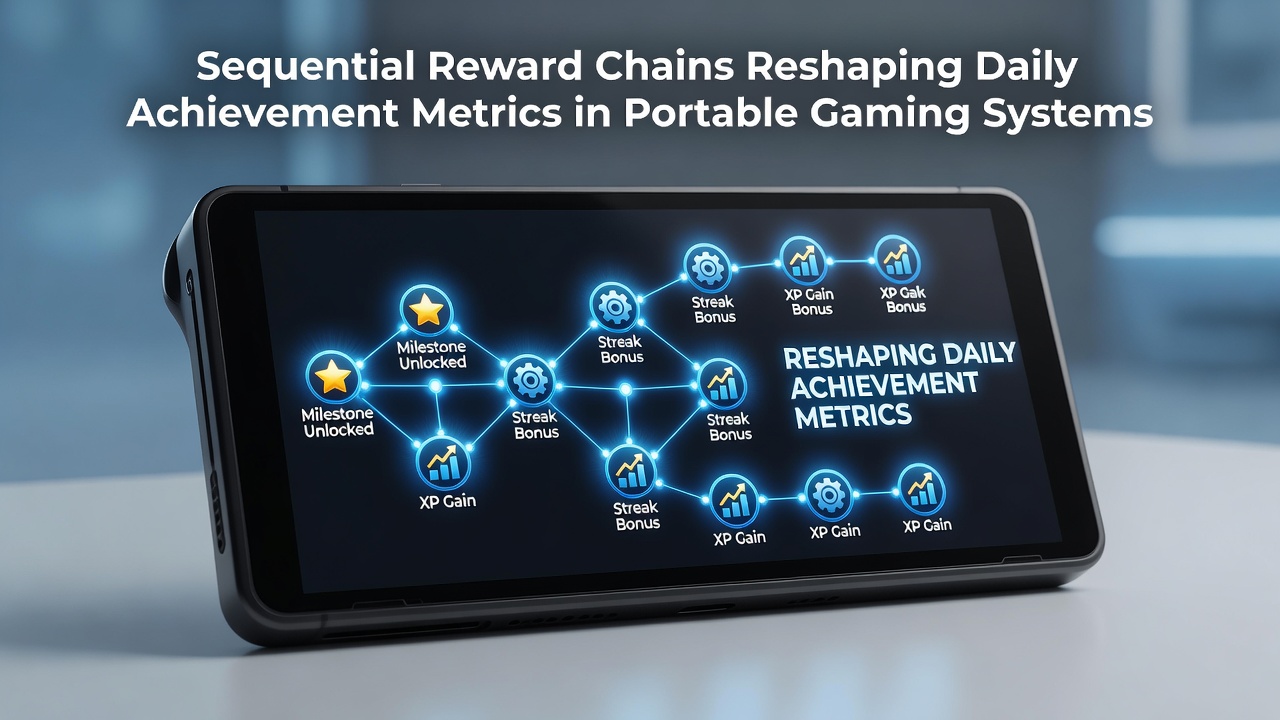
Sequential Reward Chains Transforming Achievement Tracking in Handheld Gaming Platforms
Sequential reward chains operate as linked series of in-game tasks where completion of one action unlocks the next stage, and these structures have begun altering how daily achievement metrics register across portable gaming systems since early 2025. Developers design these chains so players advance through progressive goals that tie directly into session length and repeat visits, with data from device analytics showing measurable lifts in average daily playtime on smartphones and tablets. Research from the Entertainment Software Association indicates that such chains correlate with higher retention rates when users complete at least three linked steps within a 24-hour window.
Mechanics Behind Chain-Based Progress Systems
Portable gaming platforms incorporate these chains through layered objectives that reset or evolve each calendar day, and the design encourages players to maintain momentum across multiple sessions rather than isolated logins. Each link in the chain typically awards incremental points or virtual items that feed into broader achievement tallies, which in turn update real-time dashboards visible on the device home screen. Analysts at the Canadian Interactive Digital Entertainment Association have tracked how these mechanics shift standard metrics such as daily active users by integrating time-sensitive triggers that prompt notifications on mobile operating systems.
Hardware constraints in portable devices influence chain length and complexity, since shorter battery life and smaller touch interfaces favor concise task sequences over extended ones. Data collected through app stores in September 2026 revealed that chains averaging five to seven steps produced the strongest correlation with sustained daily metric improvements across both iOS and Android ecosystems. Those who study player behavior patterns note that chains incorporating social sharing elements further amplify visibility of personal achievement scores within community leaderboards.
Impact on Daily Metric Collection and Reporting
Daily achievement metrics in portable systems now capture granular details from chain progression, including completion timestamps and failure points, which feed into aggregated reports used by publishers to refine future updates. This level of tracking allows platforms to distinguish between casual one-off plays and sustained chain-driven engagement, producing clearer pictures of user retention curves. Figures from the Interactive Games and Entertainment Association in Australia show that games employing sequential chains reported a 12 percent rise in documented daily milestones compared with titles relying on standalone achievements during the first half of 2026.
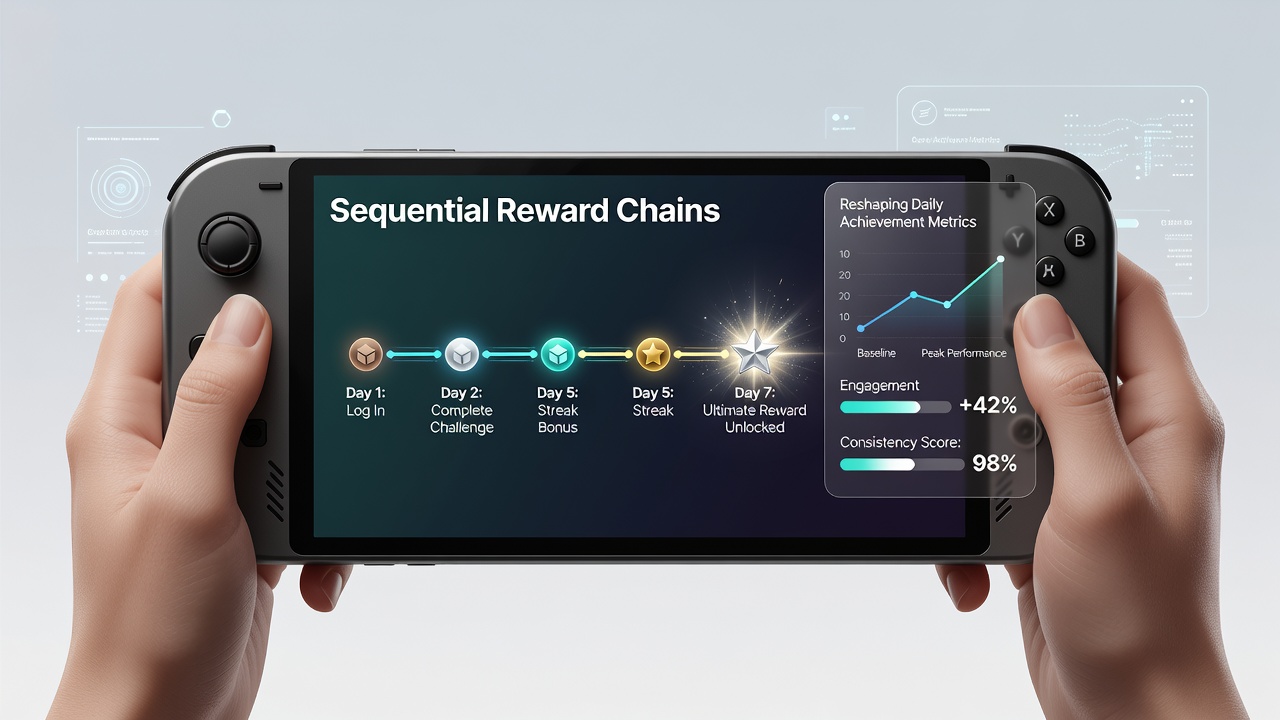
Device sensors and background processes contribute additional layers to these metrics by logging context such as location or time of day when chains advance, although privacy regulations in multiple regions limit the scope of such data collection. Observers at the European Games Developer Federation point out that standardized reporting frameworks introduced in late 2025 helped normalize how chain-related statistics appear in industry summaries. Those metrics now include chain abandonment rates alongside traditional measures like total play minutes, creating more nuanced performance indicators for developers.
Regional Variations in Chain Implementation
Markets in North America and Europe have adopted sequential reward chains at different rates, with portable titles in Canada often emphasizing longer chains that span multiple days while EU-based studios favor shorter daily loops to align with regional data protection standards. Government reports from Innovation, Science and Economic Development Canada highlight how these design choices affect cross-border player migration between similar game ecosystems. Academic papers published through the University of Melbourne’s Games Research Lab in 2026 examined how chain structures interact with local regulatory environments to shape metric outcomes.
Publishers adjust chain difficulty curves based on regional device usage statistics, and portable systems in areas with higher average commute times tend to feature chains that support brief, intermittent sessions. Such adaptations demonstrate how sequential systems respond to both hardware capabilities and user lifestyle patterns without altering core reward logic.
Conclusion
Sequential reward chains continue to integrate more deeply into portable gaming systems, reshaping the way daily achievement metrics accumulate and display across devices. Evidence from industry associations and academic sources shows consistent patterns in retention and engagement data tied to these structures. As platforms evolve through 2026 and beyond, developers maintain focus on balancing chain complexity with device limitations to sustain measurable progress in achievement tracking.