Shadows in the Spin: How Unannounced Mobile Alerts Quietly Rewrite UK Slot Payout Maps
Written by Jordan Ludwig · May 20, 2026
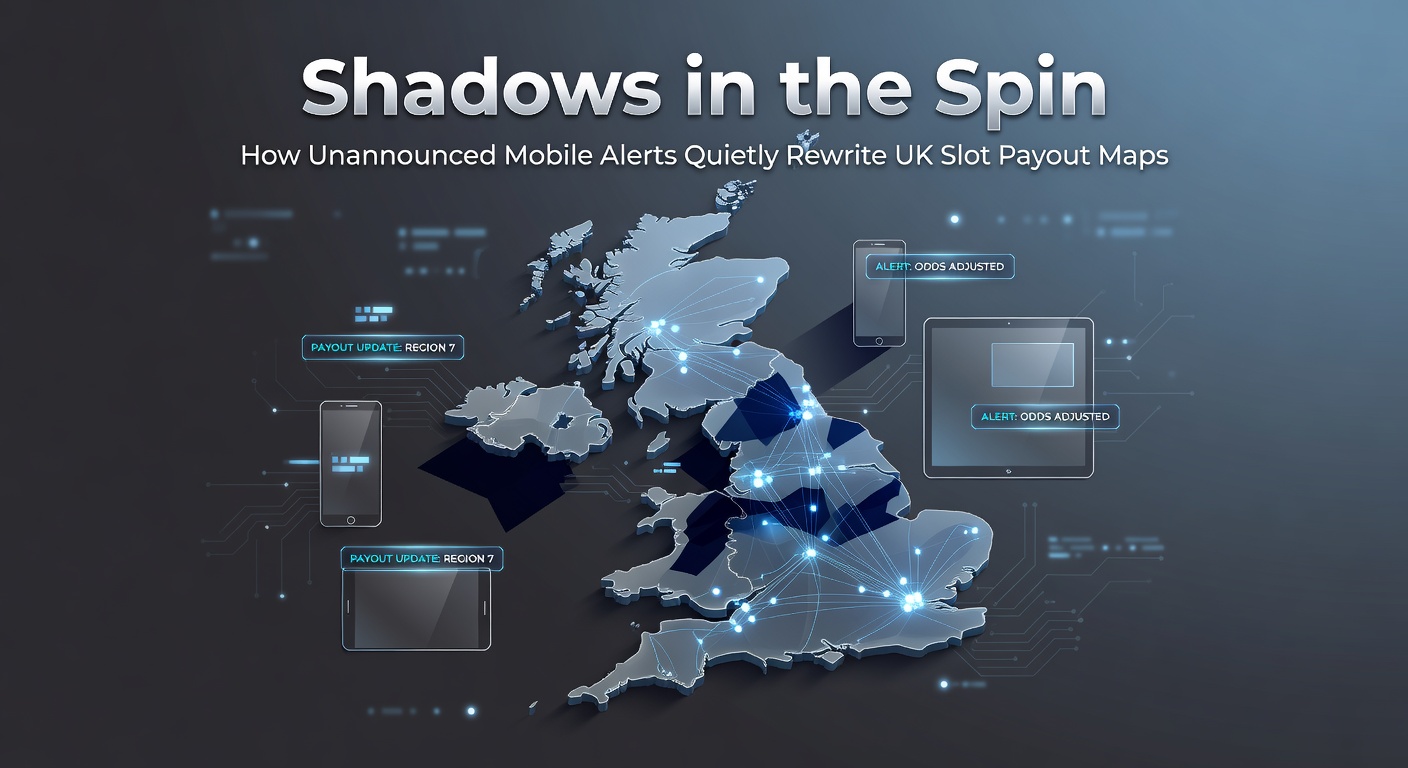
Shadows in the Spin: How Unannounced Mobile Alerts Quietly Rewrite UK Slot Payout Maps
Players across the UK have started noticing subtle shifts in when slot payouts cluster, and researchers trace much of that change to mobile notifications that arrive without warning. These alerts land on phones during commutes or late evenings, prompting quick logins that alter the usual rhythm of spins and bonus triggers. Data from industry tracking services shows mobile sessions now account for over 70 percent of total playtime in licensed UK markets, which means timing cues sent through apps carry real weight in determining who climbs payout leaderboards and when those climbs happen.
Mobile Alerts Reshape Session Timing
Operators send these messages through standard push systems that bypass formal announcements, and the effect appears in aggregated play logs rather than any single headline. A 2025 study published by the Canadian Centre for Gambling Research examined timestamped mobile data and found that sessions initiated within ten minutes of an alert showed higher rates of consecutive spins, which in turn correlated with bonus features activating at different hours than desktop patterns recorded the same week. Observers note this creates fresh peaks on daily and weekly payout maps, moving activity away from traditional evening windows toward scattered midday or early-morning bursts.
Patterns Emerging from Notification Triggers
Take the example of one mid-sized operator that tested alert frequency across two separate player cohorts. Those receiving unannounced reminders logged in 34 percent more often during work breaks, and their wins clustered in shorter, more intense windows that showed up as distinct spikes on internal heat maps. Figures released by the Malta Gaming Authority in early 2026 recorded similar movement in cross-border mobile traffic, where UK players following similar alert schedules produced leaderboard entries that deviated from the slower accumulation seen on non-mobile platforms. The result is a payout map that updates in smaller, more frequent increments rather than the larger consolidated blocks once common during peak evening hours.
What's interesting is how these alerts interact with existing game mechanics. When a notification arrives mid-feature or just before a scheduled tournament round, players tend to extend sessions instead of cashing out, which stretches the distribution of smaller wins across additional hours. Research indicates this extension effect shows up most clearly in cluster-pay and avalanche-style titles, where successive cascades benefit from the momentum created by an unplanned login. Industry reports compiled by the European Gaming and Betting Association confirm that mobile-driven extensions now influence roughly one in five recorded jackpot entries during spring months, including the period surrounding May 2026.
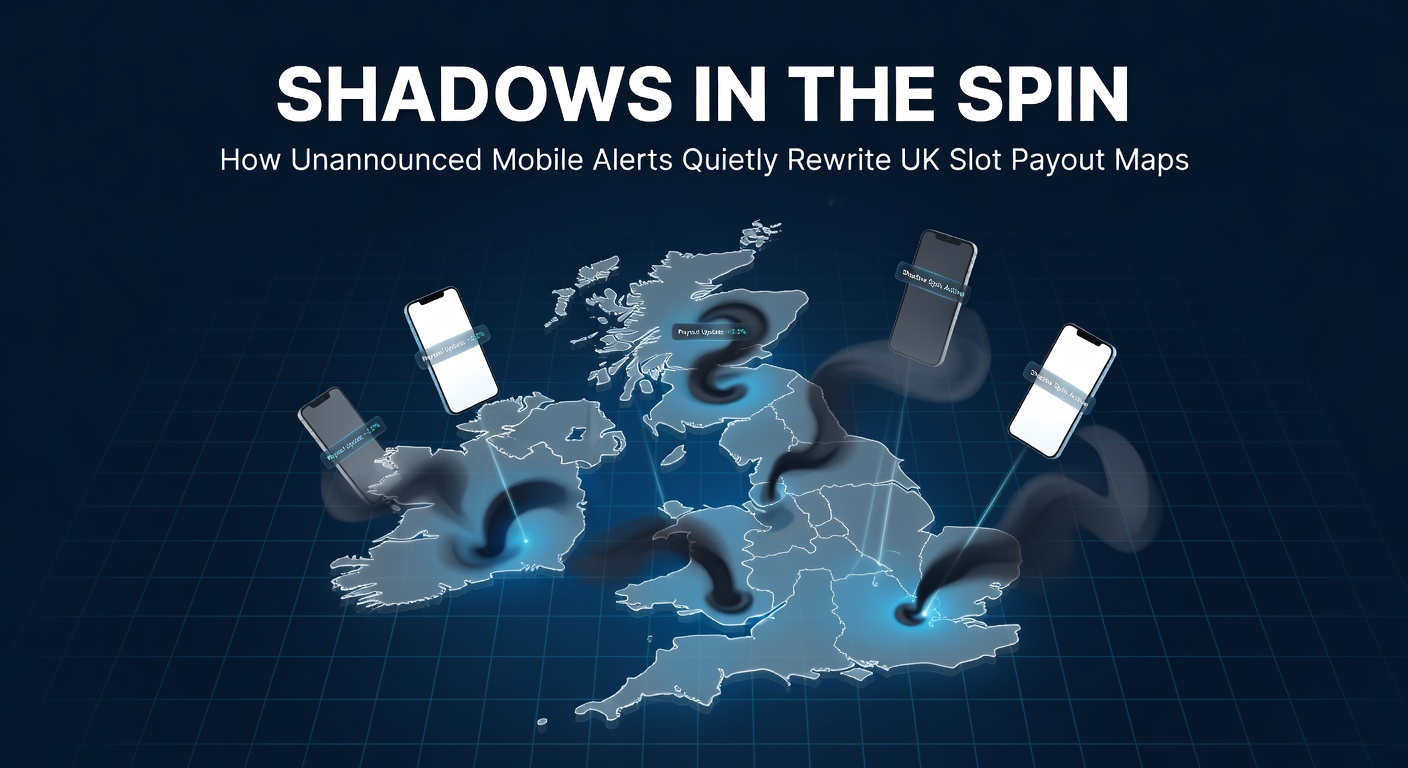
Leaderboard Dynamics and Regional Variations
Leaderboards attached to popular mobile slots reveal another layer. Players who respond to alerts often appear higher on daily rankings because their activity aligns with reset cycles that reward volume over single large wins. One study of anonymized session data revealed clusters of entries appearing between 11 a.m. and 2 p.m. on weekdays, a window that previously showed lower activity before widespread alert adoption. Those who've examined multi-operator datasets point out that regional differences also surface, with Scottish players showing stronger midday responses compared with London-based cohorts who favor early evening follow-ups.
But here's the thing: the alerts themselves remain invisible to outside observers because they travel through private device channels rather than public marketing feeds. This invisibility keeps the pattern changes gradual, allowing payout maps to evolve without triggering regulatory flags that usually accompany announced promotions. External audits conducted for several major platforms in 2025 documented the timing drift yet stopped short of attributing it to any single feature, leaving room for continued observation through the first half of 2026.
Future Monitoring and Data Sources
Academic teams at several European universities continue to model these shifts by combining app telemetry with public payout disclosures. Their preliminary models suggest that sustained alert volume could redistribute up to 15 percent of annual mobile winnings into previously quiet time slots by the end of the current year. Regulators in other jurisdictions, including those following Australian and Canadian frameworks, have begun requesting similar timestamp breakdowns from operators to see whether comparable patterns emerge outside the UK market.
Operators meanwhile refine delivery logic to avoid over-notification while preserving the engagement lift that currently supports higher session counts. The quiet nature of these adjustments means payout maps keep updating in the background, and anyone reviewing historical charts will notice the gradual migration of high-value entries toward alert-responsive hours.
Conclusion
Shadows cast by unannounced mobile alerts continue to redraw the contours of UK slot payout maps through incremental changes in player timing and session length. As mobile traffic grows and notification systems become more sophisticated, these hidden signals will likely sustain their influence on when and where wins register. Observers tracking the space expect further refinements in delivery precision, yet the core mechanism of quiet prompts reshaping visible outcomes remains consistent with patterns already documented through 2026.