Tracking Symbol Alignment Probabilities Across Multi-Reel Configurations in Licensed Digital Systems
Written by Jordan Ludwig · Jun 1, 2026
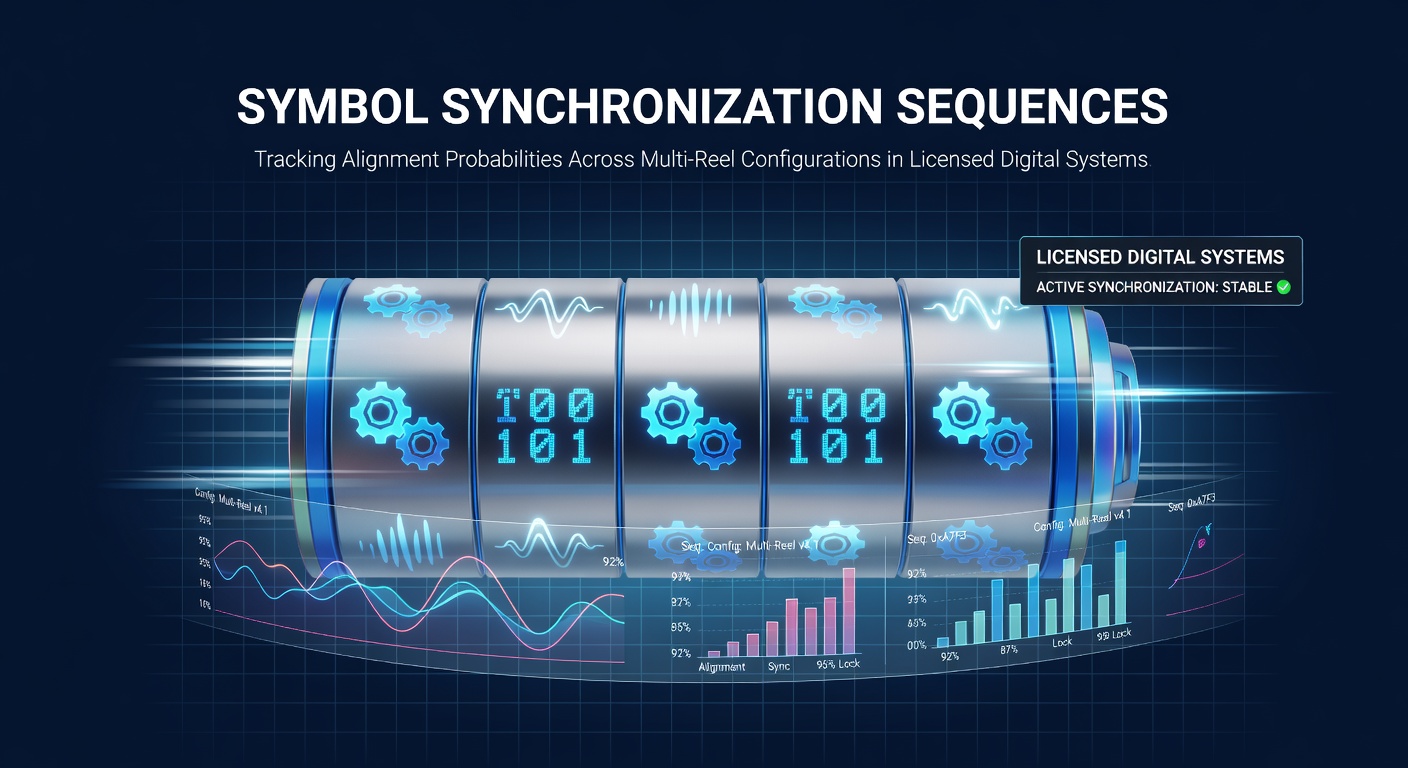
Tracking Symbol Alignment Probabilities Across Multi-Reel Configurations in Licensed Digital Systems
Symbol synchronization sequences form the backbone of reel-based digital systems where multiple reels must align specific symbols at precise intervals to trigger outcomes, and licensed operators rely on certified random number generators to maintain consistent probability models across varying reel counts and payline structures. Research from academic institutions has mapped how these sequences behave when three-reel setups interact with five-reel or six-reel arrangements, revealing measurable differences in alignment rates that depend on reel length, symbol distribution, and synchronization checkpoints built into the software.
Core Mechanics of Synchronization Sequences
Digital systems process each reel as an independent stream yet tie them together through a central timing protocol that checks symbol positions at fixed cycle points, and this protocol ensures that alignment probabilities remain stable even when reel speeds or virtual reel mappings change during a session. Observers note that three-reel configurations typically produce tighter synchronization windows because fewer variables enter the calculation, whereas five-reel or seven-reel machines introduce additional layers of timing offsets that spread probability across more possible combinations.
Engineers embed synchronization markers at regular intervals within the reel strips, allowing the system to verify that symbols land within acceptable deviation thresholds before finalizing an outcome, and data from certified testing labs shows these markers reduce drift errors to fractions of a millisecond. When configurations scale from three reels to five reels, the number of synchronization points multiplies accordingly, creating denser probability matrices that require more computational resources yet deliver the same certified fairness standards demanded by regulatory bodies.
Probability Patterns in Different Reel Counts
Studies conducted on licensed platforms indicate that three-reel systems achieve symbol alignment rates around 12 to 18 percent for mid-tier symbols under standard mapping, while five-reel configurations drop those rates to 4 to 7 percent because the expanded symbol pool dilutes individual alignment chances, and six-reel variants push the figures even lower. These patterns hold steady across multiple jurisdictions because each licensed system undergoes identical RNG certification processes that lock the underlying probability tables regardless of reel count.
Multi-reel setups also incorporate virtual reel mapping that stretches physical symbol positions across larger digital arrays, and this mapping directly influences how synchronization sequences calculate alignment windows. Researchers at technical universities have published models demonstrating that virtual reel expansion increases the granularity of probability tracking, allowing operators to fine-tune hit frequencies without altering the certified return-to-player percentages.

Regulatory Oversight and Technical Standards
Licensed digital systems must submit synchronization sequence documentation to oversight agencies for approval, and agencies such as the Nevada Gaming Control Board require detailed logs that record every timing checkpoint and alignment verification event. These records enable auditors to confirm that probability models remain unchanged during software updates or hardware migrations, preserving the integrity of the original certification.
In June 2026 several North American and European testing facilities introduced updated synchronization audit protocols that mandate real-time logging of alignment drift across all reel configurations, and the Alcohol and Gaming Commission of Ontario has already begun requiring similar data streams from its licensed operators. The new protocols focus on cross-reel timing consistency rather than isolated reel performance, reflecting the growing complexity of multi-reel products entering regulated markets.
Implementation Across Licensed Platforms
Operators integrate synchronization tracking into both server-based and client-side modules so that any deviation triggers an immediate integrity check before the next spin cycle begins, and this dual-layer approach minimizes the window during which an alignment error could affect game results. Case studies from certified labs reveal that systems using continuous synchronization verification experience fewer post-certification adjustments than those relying on periodic spot checks alone.
Symbol libraries within licensed games contain weighted distributions that interact with the synchronization engine to produce the final alignment probabilities, and changes to these libraries require fresh RNG certification even when the underlying timing protocol stays constant. Those who manage large multi-reel portfolios report that maintaining separate probability tables for each reel count configuration prevents unintended interactions between games sharing the same platform infrastructure.
Conclusion
Symbol synchronization sequences continue to evolve alongside advances in reel configuration complexity, yet the fundamental requirement for certified, transparent probability tracking remains unchanged across all licensed digital systems. Data collected from regulatory audits and academic modeling confirms that alignment probabilities scale predictably with reel count when synchronization protocols stay consistent, giving operators and regulators alike reliable tools for verification. As platforms expand into higher reel counts, the emphasis on precise timing checkpoints and documented alignment matrices will only increase to meet existing technical standards.